 Back to all articles
When Siblings Support Online Safety
14 April 2026
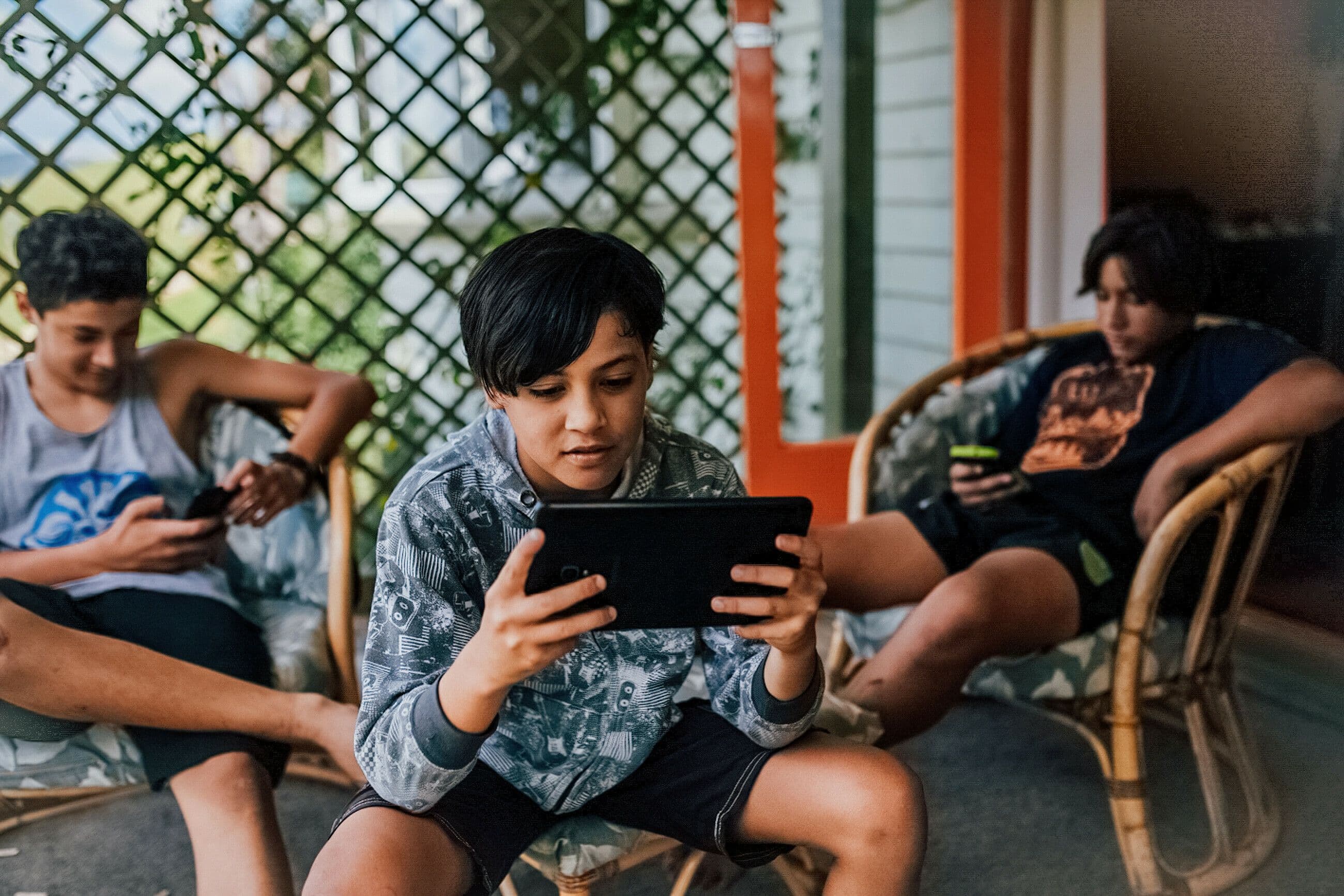
In many families, older siblings naturally take on a role of looking out for younger ones. Whether it’s helping with homework, explaining things, or just being there, that relationship can be a powerful source of support. How could this play out when it comes to staying safe online?

Why older siblings matter
Younger children often look up to their older siblings. They notice what they do, the apps they use, and how they behave online. That means older siblings can model positive online behaviour, help younger ones understand what’s safe (and what’s not) and offer support in a way that feels relatable and approachable.
Sometimes, younger kids may even feel more comfortable asking a sibling for help than going to an adult.
It’s not about responsibility, it’s about support
It’s important that older siblings aren’t expected to “police” or take full responsibility for online safety.
Instead, think of their role as:
- A guide, not a rule-enforcer
- A support person, not a supervisor
- A positive influence, not a replacement for adult oversight
Keeping this balance helps avoid pressure and keeps the relationship positive.
Tuakana-teina is a Māori concept that describes a relationship where an older or more experienced person (tuakana) supports and guides a younger or less experienced person (teina). In the context of online safety, siblings can play an important tuakana-teina role by helping each other navigate the online world, modelling positive digital behaviour, and creating a safe space to talk about challenges or concerns online.
Encouraging the tuakana teina dynamic
You can gently support this relationship at home in a few simple ways:
1. Talk about being a role model
Help older siblings understand that younger ones learn from them, both the good and the not-so-good.
2. Share responsibility in small ways
This might look like:
- Helping a younger sibling set up a new app
- Showing them how to block or report someone
- Talking through what to do if something feels wrong
3. Encourage open conversations
Create space for siblings to talk to each other about their online experiences.
4. Recognise and value their role
Acknowledge when older siblings show care, patience or leadership, it reinforces those behaviours.
Supporting younger siblings
Older siblings can play a really helpful role in everyday situations, like explaining why certain apps or games have age limits, helping younger siblings understand online kindness and respect, stepping in if something seems off (like a message from a stranger), or encouraging them to speak up if something doesn’t feel right. These small moments can build confidence and awareness over time.
Keeping parents and caregivers involved
Even with strong sibling support, adults still play a key role.
Make sure that older siblings know they can come to you for help and that younger children understand that parents are there to support them too - and that everyone knows what to do if something serious happens. Online safety works best as a shared effort across the whole whānau.
Building a supportive digital culture at home
When families work together, online safety becomes part of everyday life, not just a set of rules. By encouraging older siblings to support younger ones, you’re strengthening relationships and building leadership and empathy.
And through a tuakana teina approach, you’re helping your tamariki learn that looking out for each other, online and offline, is something that really matters.