Talking About Scams and Online Persuasion

Young people are often targeted by scams that feel familiar, like messages from friends or gaming offers. This guide offers practical ways to talk about scams, helping your child recognise warning signs and make safe, confident decisions online.
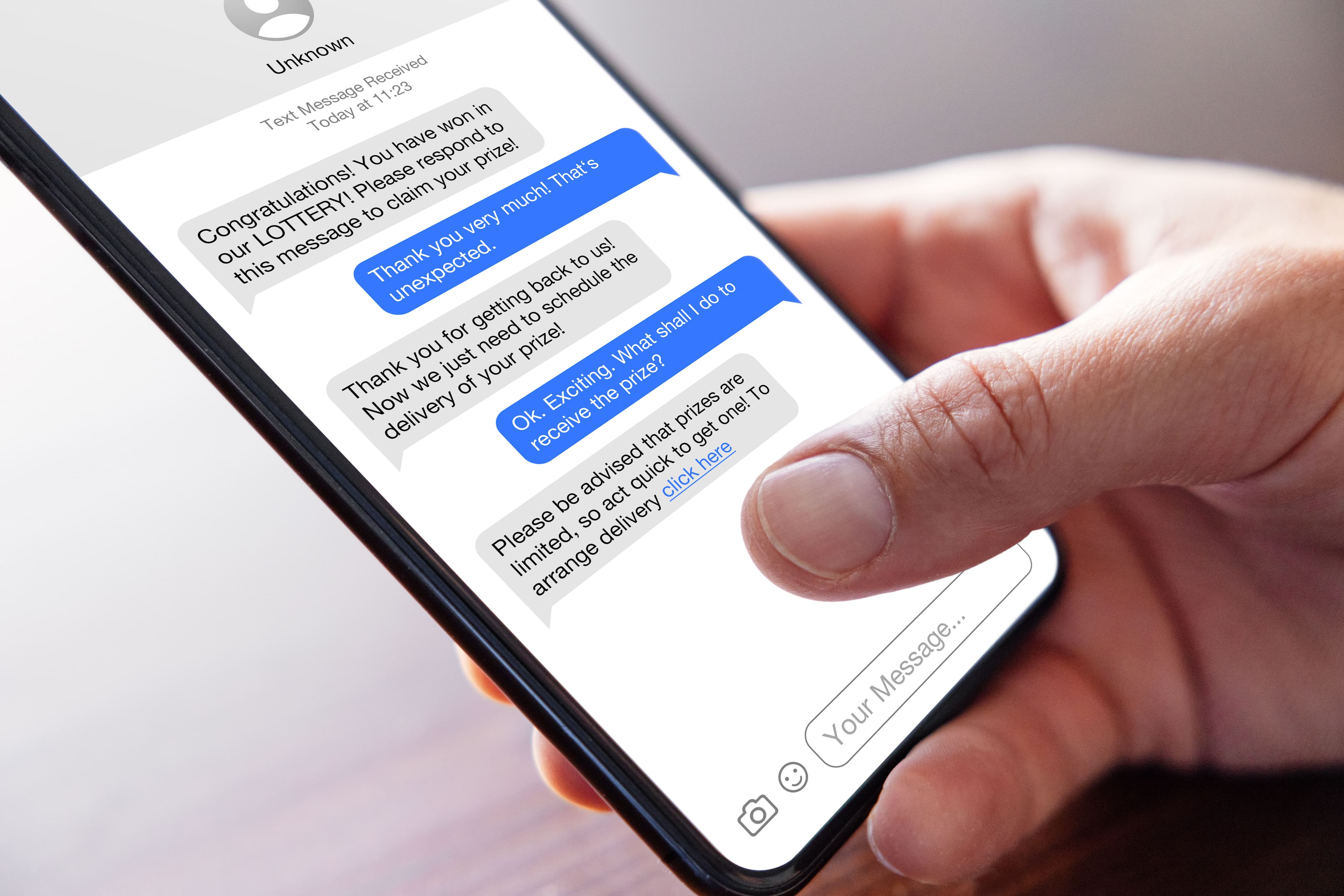
Scams don’t always look obvious, especially for young people. Talking about them can help your child understand how they work, question what they see, and protect their personal information.
What to know
Young people are exposed to a wide range of messages, offers, and interactions online. Most of these are a normal part of everyday digital life, but some are designed to influence, mislead, or trick them. Understanding the difference can help you support your child without creating unnecessary fear.
Scams, manipulation, and online persuasion are related, but not the same.
Scams are deliberate attempts to deceive someone into giving away personal information, access, or something of value. For young people, this might look like fake giveaways, gaming offers, impersonated accounts, or messages that include suspicious links. These are designed to look convincing, even when they are not genuine.
Manipulation (sometimes called social engineering) is often the method behind scams. It involves using trust, pressure, or emotion to influence someone’s behaviour. This might include pretending to be a friend, creating a sense of urgency, or making an offer feel exciting or hard to refuse. Manipulation can build over time and may not always be obvious in the moment.
Online persuasion is broader and is a normal part of the online world. It includes advertising, influencer content, and recommendations that aim to shape opinions or encourage certain actions. While much of this is harmless, it can become a concern when it is misleading, unclear, or designed to take advantage of trust or emotions.
These concepts are connected and young people may not always recognise where one ends and another begins, especially when these interactions feel familiar, come from people they think they know, or appear in messages, games or social media, where it can seem like part of normal interaction. Because of this, they may not immediately recognise when something isn’t right.
It’s important not to assume that your child will always spot a scam, or that clicking on something means they’ve been careless. These tactics are designed to be convincing and can affect anyone.
What helps most is supporting your child to build simple, practical skills. This includes recognising common patterns like urgency or “too good to be true” offers, pausing before acting, questioning messages, protecting personal information, and feeling confident asking for help when they’re unsure.

Top tips for talking about it
Start with curiosity about what they’ve seen
Young people often come across scams without recognising them as such. Instead they may see them as giveaways, messages from “friends”, gaming offers or influencer promotions. Starting with curiosity helps you understand their experience without making them feel judged.
You might say:
- “Have you ever seen offers or messages online that seemed too good to be true?”
- “What kinds of things do people your age get sent online?”
- “Have you ever had someone message you asking for something?”
Understanding what your child is seeing helps you guide them in a way that feels relevant and real.
Help them recognise common types of scams
Young people are more likely to encounter scams that feel social or familiar, such as fake giveaways or competitions, messages from hacked or impersonated accounts, gaming scams (free skins, currency, upgrades), “click this link” messages or requests for login details or verification codes. Keeping examples relatable helps it land.
You might say:
- “What would you do if someone offered something for free online?”
- “How can you tell if a message is really from a friend?”
- “Have you seen anything like that before?”
Recognising common scam types helps young people spot warning signs early.
Talk about how scams use pressure and urgency
Many scams rely on urgency (“act now”), fear (“your account will be locked”), or excitement (“you’ve won”). These are designed to make people act quickly without thinking.
You might say:
- “Why do you think some messages try to rush people?”
- “How do you feel when something says you need to act fast?”
- “What could you do instead of responding straight away?”
Understanding pressure tactics helps young people slow down and make safer decisions.
Help them question “too good to be true” offers
Scams often look appealing, especially when they promise free items, money or rewards, or exclusive access. Helping your child pause and question these offers is key.
You might say:
- “What makes something seem too good to be true?”
- “Why do you think people create offers like that?”
- “What would you check before clicking or responding?”
Questioning unrealistic offers helps young people avoid being drawn into scams.
Encourage simple checking habits
Young people don’t need complex rules, just a few simple habits, like Pause, Check Tell...
- pause before clicking
- check who sent the message
- tell someone they trust if unsure
You might say:
- “What’s one thing you could check before clicking a link?”
- “How can you tell if an account is real?”
- “Who could you ask if you weren’t sure?”
Simple checking habits help young people feel confident navigating uncertain situations.
Talk about personal information and account safety
Many scams try to get passwords, login details, personal information or verification codes - and young people may not realise how valuable this information is.
You might say:
- “Would you ever share your password with someone?”
- “What could someone do if they had access to your account?”
- “What information should always stay private?”
Understanding the value of personal information helps young people protect themselves online.
Normalise mistakes and remove shame
Scams are designed to trick people — including adults. If young people feel embarrassed, they’re less likely to ask for help.
You might say:
- “These things can happen to anyone.”
- “You won’t be in trouble if something goes wrong.”
- “What matters is talking about it early.”
Removing shame makes it easier for your child to ask for help if something goes wrong.
Let them know they can come to you, no matter what
If something feels off, your child needs to know they can talk to you.
You might say:
- “If anything online ever feels suspicious, you can talk to me.”
- “You won’t be judged for asking questions.”
- “We can figure things out together.”
A supportive, open relationship helps your child handle scams with confidence.
Bonus Conversation Starters
These questions don’t need to be asked all at once. One small conversation at a time can help build trust and emotional awareness over time.
- “Have you ever seen something online that seemed too good to be true?”
- “What kinds of messages do people your age get?”
- “How can you tell if something is a scam?”
- “Why do you think scams try to rush people?”
- “What would you do if someone asked for your login details?”
- “What would you do if a friend’s account sent you something strange?”
- “Who could you check with if you weren’t sure?”
- “What advice would you give a friend about scams?”
- “What helps you decide whether something is real?”
- “What would make you pause before clicking something?”
If you're concerned...
If your child feels unsure about a message, offer, or interaction, it’s important they feel able to pause and talk about it.
Encourage them to:
- stop and think before responding
- avoid clicking links or sharing information
- check with someone they trust
- trust their instincts
You might say:
- “If something feels off, it’s okay to pause.”
- “You don’t have to respond straight away.”
- “We can always check things together.”
You don’t need to be an expert in scams to support your child. Staying curious, open, and connected helps them build the awareness and confidence to spot and avoid scams online.